Messaging and communications strategy for the brands whose work depends on being understood.
Brand Story
Messaging is the translation of brand positioning into language an organisation can actually use. Communications strategy is the framework that decides who hears that language, on which channel, in what order. We build messaging and communications strategy for the New Zealand organisations whose outcomes depend on whether their audiences understand what they are doing and why.
Brand Voice & Personality
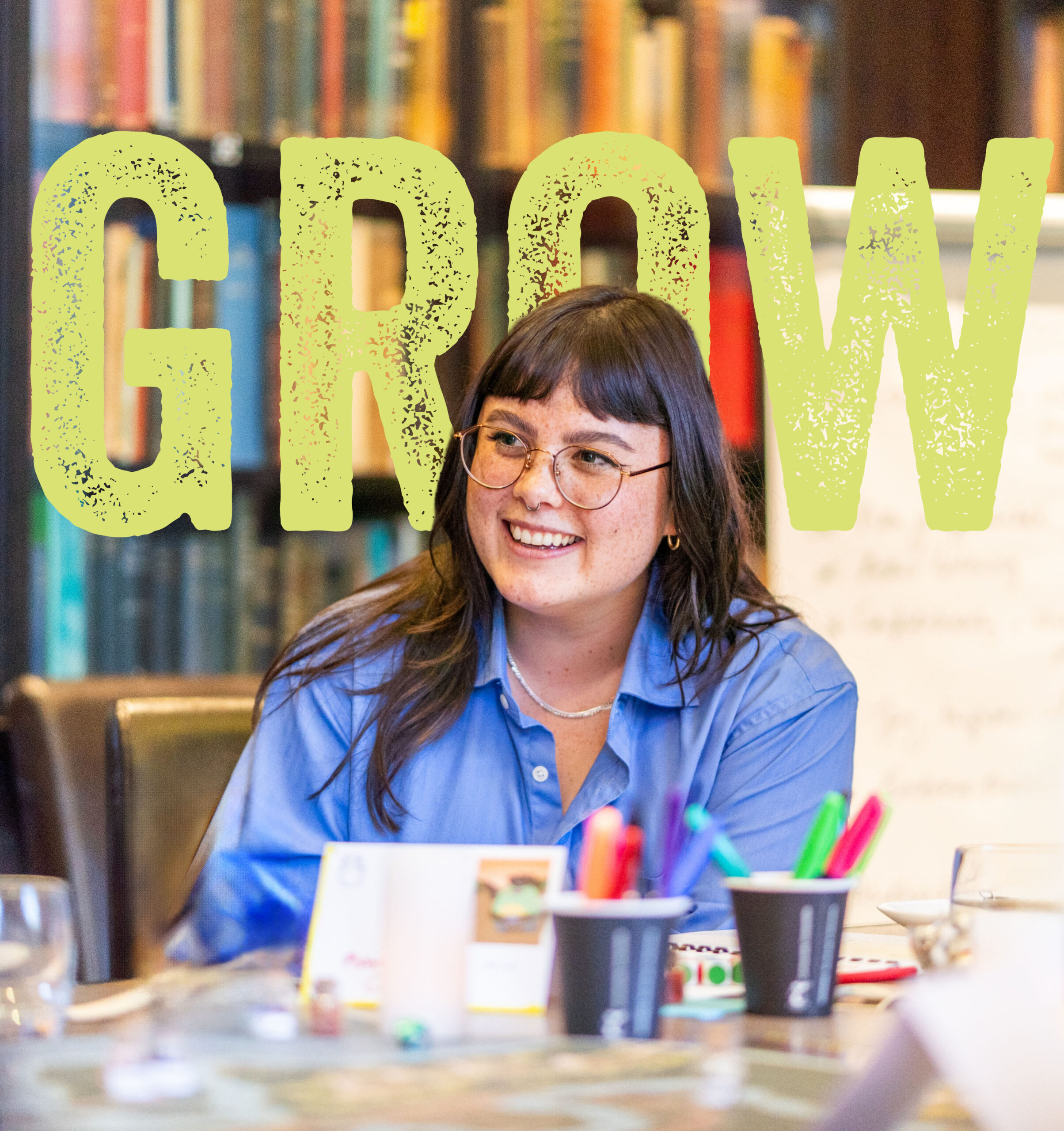
Your brand voice is how you sound. Your personality is how you come across. Together, they shape how people experience your brand every time you communicate. We help define both in a way that feels human, distinct, and easy to use, whether you’re writing, speaking, designing, or presenting.
This isn’t about inventing a character. It’s about being consistent with how you express who you are, across every channel and situation. When your voice and personality are clear, your brand becomes more recognisable, more relatable, and more trusted.
Brand Messaging Frameworks
If people only remember one thing about your brand, make sure it’s the right thing.
We help you shape a clear messaging framework that defines who you are, what you do, why it matters, and how you say it. This isn’t just copy. It’s structure.
We distil your key ideas into language that’s flexible enough to work across platforms and strong enough to stay consistent. From taglines to talking points, this framework becomes your brand’s foundation. Something your team can build on, share from, and come back to when things get noisy.
Content Pillars and Planning
Not every idea needs to be a campaign. We help you figure out what kind of content your brand should be putting into the world and why. We define clear content pillars—recurring themes or categories that make sense for your audience, your purpose, and your goals. Then we build a structure that guides what to create, when to publish, and where it should live. This keeps your content focused, relevant, and sustainable without losing creativity. Good planning creates consistency. And consistency builds trust.
What messaging includes
Audience definition
Named segments with stated needs, fears, and decision criteria.
Message architecture
A primary message, three or four supporting proof points, and message variants for each named audience.
Voice and tone guide
How the organisation sounds when it speaks. Do and do not examples, vocabulary that is yours, vocabulary that is off limits.
Proof point library
A bank of named, specific facts, data points, and stories that support the messaging in client-facing and stakeholder-facing contexts.
Boilerplate copy
Standard descriptive paragraphs used in tender responses, partnership applications, press releases, and About-page copy.
FAQ and edge-case responses
Pre-drafted responses to the difficult questions the organisation regularly faces from media, stakeholders, or staff.
Why public-sector organisations especially need this
The Crown entity, council, and government-supplier comms environment has constraints commercial organisations don’t face. Te Tiriti partnership obligations. Multi-stakeholder accountability. Procurement language conventions. Plain-language requirements. OIA-aware drafting discipline. Bicultural translation.
Obvious builds public-sector messaging natively, because the majority of our work is in this domain. Engagements include Wellington City Council, Hutt City Council, MSQ Health, Curriculum Insights NMSSA, and Playcentre Aotearoa.
How a messaging engagement runs
Foundation tier messaging engagements run six to eight weeks. Programme tier with multi-audience message variants runs ten to fourteen weeks. The sequence: audience research → candidate message development → testing and refinement → framework, voice guide, proof points, boilerplate, FAQ responses. See pricing.
Recent NZ messaging work
Playcentre Aotearoa — campaign-level messaging system for the Future Proofing Playcentre programme delivered across testimonial video, educational video, and printable brochure for 14,000 whānau and 700 staff.
Alzheimers New Zealand — four-year messaging programme with shared message architecture (Move for Dementia, Create for Dementia) and audience-specific variants.
Right fit if you are
- A Crown entity, council, or government organisation launching a new policy, programme, or service
- A peak body or member organisation whose national office needs to communicate consistently across local chapters
- A scale-stage business whose product is sophisticated but whose external story is not yet matching it
- A health, education, or social-impact organisation whose audience is making high-stakes decisions and needs clarity, not noise
Frequently asked questions
What is the difference between messaging and brand positioning?
Brand positioning is the strategic decision about what your brand stands for. Messaging is the language layer that translates positioning into how the organisation actually speaks. Positioning is the input; messaging is the output.
Do you work with Crown entities and councils?
Yes. The majority of Obvious messaging work sits in the New Zealand public sector. Existing engagements include Wellington City Council, Hutt City Council, MSQ Health, Playcentre Aotearoa, and Curriculum Insights NMSSA/EARU.
How long does a messaging programme take?
Foundation tier: six to eight weeks. Programme tier with multi-audience message variants: ten to fourteen weeks.
Talk to a messaging strategist → · Head-term overview at /communications-strategy/